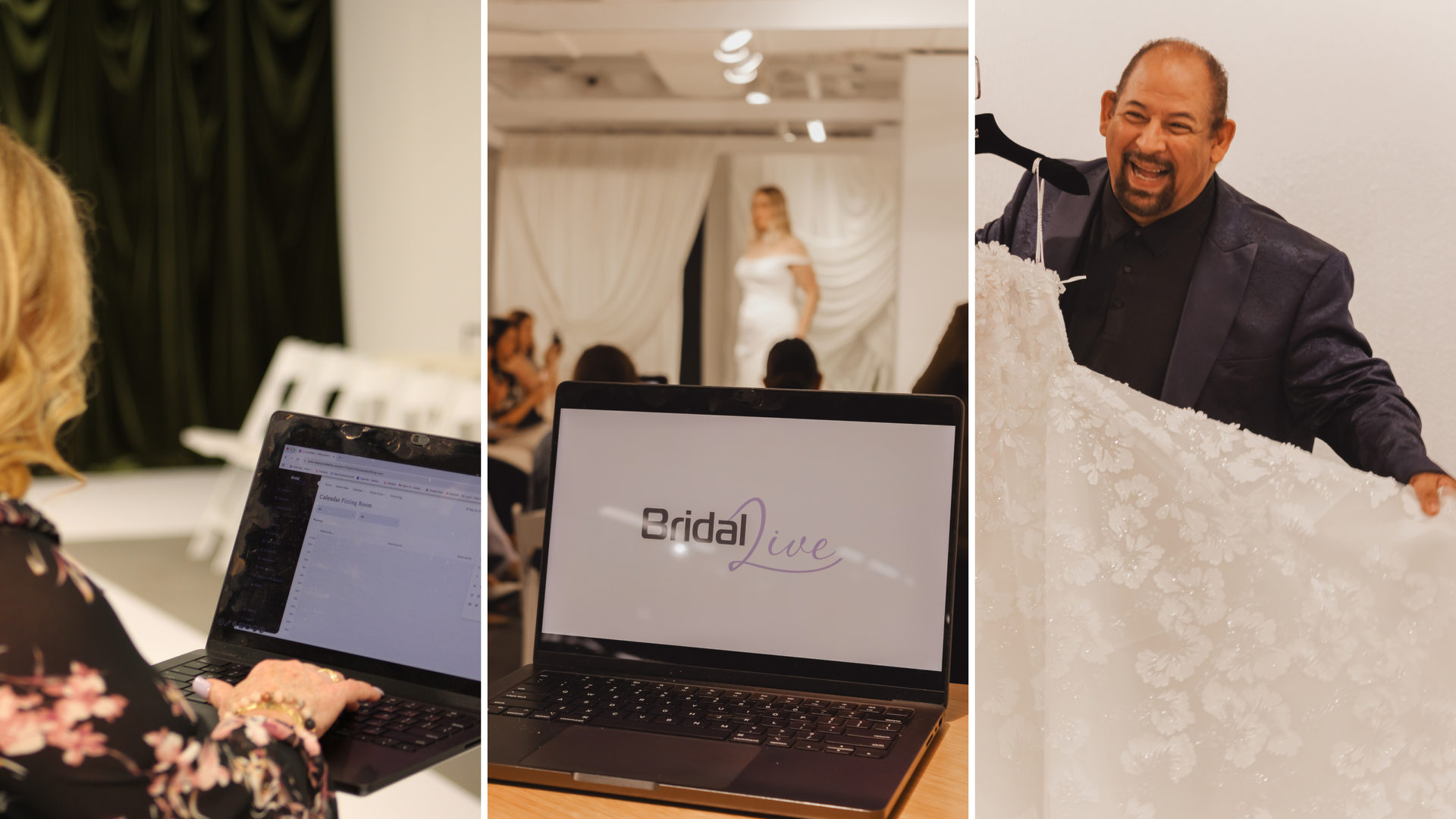
What High-Performing Bridal Boutiques Do Differently

Success Leaves Clues

High-performing bridal boutiques aren’t just lucky. They’re intentional. While every boutique is unique, the most successful owners share common habits that support growth, clarity, and consistency.


In 2026, these habits are supported by smart systems, not guesswork.


They Prioritize Organization


Successful boutiques don’t rely on memory. They rely on systems.


How BridalLive Helps:  BridalLive keeps appointments, inventory, and bride information organized in one place, giving owners visibility and control.


They Follow Up Consistently


High-performing boutiques understand that follow-up builds trust and loyalty.


How BridalLive Helps:  With centralized customer data, BridalLive helps boutiques track communication and maintain consistent follow-ups without overwhelm.


They Know Their Inventory


Top boutiques understand what sells, what doesn’t, and why.


How BridalLive Helps:  BridalLive provides insight into inventory performance, supporting smarter buying decisions and healthier cash flow.


They Invest in the Right Technology


Successful boutique owners don’t stack tools, they simplify.


How BridalLive Helps:  As an end-to-end bridal-specific platform, BridalLive replaces scattered systems with one streamlined solution.


They Lead with Confidence


When systems are clear, leadership feels lighter. High-performing boutiques lead confidently because their operations support them.


Wrapping Up


Success in the bridal industry isn’t about doing more — it’s about doing things better.

With BridalLive, boutique owners operate with clarity, confidence, and control — setting themselves apart in 2026 and beyond.


Learn how BridalLive supports high-performing boutiques


✨Book a demo here or explore more at BridalLive.com✨

Follow us for more trend updates and boutique insights


By Colleen Orquera July 15, 2026
Learn how Google and Meta advertising can help bridal shops generate leads, increase visibility, and fill appointment gaps.
By Colleen Orquera July 8, 2026
Appointments are the heartbeat of every bridal shop. Each appointment represents far more than a reserved time slot on a calendar. It represents a potential sale, an emotional milestone in a bride’s wedding journey, and a critical opportunity to build trust. Every appointment creates a chance to turn interest into revenue—but only if the experience is managed well. That’s why appointment management matters so much. Many bridal retailers think of appointment scheduling as purely administrative: selecting a date, assigning a stylist, and confirming attendance. In reality, appointment management directly influences customer satisfaction, team efficiency, and closing rates. The strongest-performing bridal shops understand that a great appointment begins long before the bride walks through the door. the bridal appointment has changed Today’s bridal customer arrives more informed than ever. Before booking, most brides have already researched designers, browsed collections online, saved inspiration photos, compared boutiques, and read reviews. Many already have preferences about silhouettes, pricing, designers, and shopping expectations. Because brides are arriving more prepared, they expect the same level of preparation from the boutique. A generic or disorganized experience can immediately create friction. Modern bridal shoppers expect: Personalized service Efficient communication Easy booking experiences Organized appointments Staff who understand their needs When those expectations are met, trust grows quickly. When they are not, conversion becomes much harder. Preparation Creates Better Experiences The best appointments often feel effortless to the customer. But behind that seamless experience is preparation. When stylists have access to important customer details ahead of time, they can approach appointments strategically instead of reactively. Helpful appointment information includes: Wedding date Venue or wedding style Budget Preferred silhouettes Favorite designers Sizing details Guest count Notes from prior communication Having this information before the appointment allows stylists to pre-pull gowns, prepare fitting rooms, and tailor recommendations. That changes the entire experience. Instead of spending the first 20 minutes gathering basic information, stylists can immediately focus on connection, styling, and service. That extra time matters. First Impressions Influence Buying Decisions The first few minutes of an appointment often shape how the rest of the visit feels. If a bride arrives and staff seem confused, rushed, or unprepared, confidence drops. Common operational issues include: Double-booked appointments Missing notes Wrong stylist assignments Unprepared fitting rooms Delayed greetings Poor time allocation These may seem like small internal issues, but from the customer’s perspective they can feel significant. Bridal shopping is highly emotional. A bride wants to feel cared for—not processed. Strong appointment management reduces these points of friction and helps create a polished, welcoming experience from the moment she arrives. Better Scheduling Improves Team Performance Appointment management doesn’t only impact the customer—it affects the entire team. Without a centralized scheduling system, communication often becomes fragmented. Front desk teams may not know stylist availability. Managers may struggle to forecast staffing needs. Stylists may walk into appointments missing critical details. These inefficiencies create stress and inconsistency. When appointment workflows are organized, teams can coordinate more effectively. Managers can: Balance stylist workloads Prevent overbooking Identify peak traffic times Allocate resources efficiently Improve operational planning This creates smoother daily operations and reduces avoidable chaos. Personalization Drives Trust Trust is one of the biggest drivers of bridal sales. Brides rarely choose a dress based on price alone. They buy from boutiques that make them feel understood and supported. Personalization plays a major role in building that trust. When a stylist remembers prior conversations, references preferences, and makes thoughtful recommendations, the experience feels elevated. Small touches create big impact. Examples include: Referencing saved favorites Remembering budget concerns Following up on prior conversations Recommending complementary accessories These moments communicate attentiveness. And attentiveness builds emotional connection. Follow-Up Is Often the Difference Between “Maybe” and “Yes” Not every bride purchases during her first visit. That’s normal. Some need additional time, second opinions, or family input before making a decision. This is where follow-up becomes essential. Unfortunately, many shops lose opportunities because follow-up is inconsistent or manual. Without a system, promising leads can easily go cold. Effective follow-up helps keep your boutique top of mind. Examples include: Thank-you emails Appointment recap messages Dress favorites summaries Reminder outreach Promotional offers Return-visit invitations Consistent communication keeps momentum alive after the appointment ends. Often, the boutique that follows up thoughtfully earns the sale. Data Helps Improve Closing Rates Strong appointment management also provides valuable business insights. When appointments are tracked properly, owners can analyze trends that improve decision-making. Important metrics include: Appointment volume Show rates Cancellation rates Stylist performance Close rates Average sale value This data helps identify operational bottlenecks and sales opportunities. For example, if Saturday appointments convert at higher rates than weekday appointments, staffing strategies can be adjusted. If no-show rates are high, automated reminders may improve attendance. These insights help shops continuously improve performance. Technology Makes Appointment Management Scalable As bridal businesses grow, manual scheduling becomes harder to sustain. What works for a small shop often becomes unsustainable with higher appointment volume, multiple staff members, and larger inventory. That’s where software becomes critical. Modern bridal software helps centralize: Scheduling Customer notes Inventory access Communication Reporting Follow-up automation Instead of juggling calendars, spreadsheets, sticky notes, and inboxes, teams work from one connected system. This improves both efficiency and customer experience. Better Appointments Lead to Better Sales At its core, appointment management is about creating better experiences. Prepared stylists create stronger connections. Stronger connections build trust. Trust improves confidence. Confidence increases conversions. The shops achieving the highest closing rates are rarely succeeding by accident. They succeed because their systems support exceptional service at every stage of the customer journey. When appointment management improves, closing rates often follow. Because in bridal retail, every appointment is more than a meeting. It’s an opportunity to create a yes moment. See how BridalLive can give you results ✨Book a demo here or explore more at BridalLive.com ✨ Follow us for more trend updates and boutique insights
By Colleen Orquera July 1, 2026
Learn how local SEO helps bridal shops appear in Google search results, attract nearby brides, and increase appointment bookings.
Show More